


News
Global Private Label Makeup Sourcing and OEM Checklist 2026
-
 author
A private label makeup project can appear production-ready while the technical details are still out of sync. Samples are approved, packaging quotes are on the table, and the launch date is being discussed. Then the importer finds that the INCI list, shade codes, artwork, barcodes, and approved formulas do not match.
Color cosmetics make this risk easy to underestimate. A 12-shade palette may be sold as one retail SKU, yet contain several formulations with separate ingredient and traceability records. When that gap appears after printing, the result is usually more sampling, revised cartons, delayed production, or a missed retail window.
This checklist is for global beauty brands, importers, distributors, wholesalers, retailers, and e-commerce teams comparing a private label makeup manufacturer.
Define the Market Plan Before Sampling
The first sourcing discussion often starts with texture, color payoff, packaging, MOQ, and target price. Those points matter, but they do not define the full project. Destination markets affect label space, ingredient review, importer details, claims, testing, barcodes, and registration responsibilities. Giving the factory a clear launch plan at the RFQ stage leads to a more accurate quotation and fewer revisions later.
Name the Initial Markets and Sales Channels
Avoid a brief that says only “for global sale.” List the countries or regions planned for the first launch, plus the channels involved: distributor, retail chain, marketplace, DTC website, salon network, or wholesale.
The same formulation may suit several destinations, but the finished pack and market-entry work can differ. In the European Union, each cosmetic product needs an EU-based Responsible Person, a safety assessment, a Product Information File, compliant labeling, and CPNP notification before it is placed on the market. Other countries may place the filing responsibility with an importer, authorised representative, or local registration holder. A factory document pack supports that work; it does not replace local review.
Count Formulations, Not Only Finished SKUs
Finished SKU count can hide the real workload. One palette may combine matte, shimmer, satin, and pressed-pigment bases. A blush duo may contain two formulations. A makeup set can combine powder and oil- or wax-based items made through different production routes.
Formula count affects ingredient records, shade control, test planning, artwork space, and batch traceability. When comparing quotations, ask whether “one palette” means one base formula or several references. That detail can change development time and total project cost.
Build a Core Technical Documentation Pack
A controlled documentation pack makes the first launch easier and gives the brand room to add markets later. It is not a universal registration file. It is the technical foundation that importers, safety assessors, and local regulatory partners use for their own review. The physical sample, formulation, ingredient list, artwork, and production record all need to point to the same approved item.
Link Every Shade to the Approved Sample
For each product version, keep these records aligned:
- Full INCI information
- Formula, shade, and sample reference codes
- Finished-product specifications
- Manufacturing and GMP-related information
- Batch and production references
- Available test data and claim support where relevant
Multi-shade products also need a shade-to-formula matrix. A single undifferentiated ingredient sheet may be insufficient when individual pans use different bases, pigments, or effects.
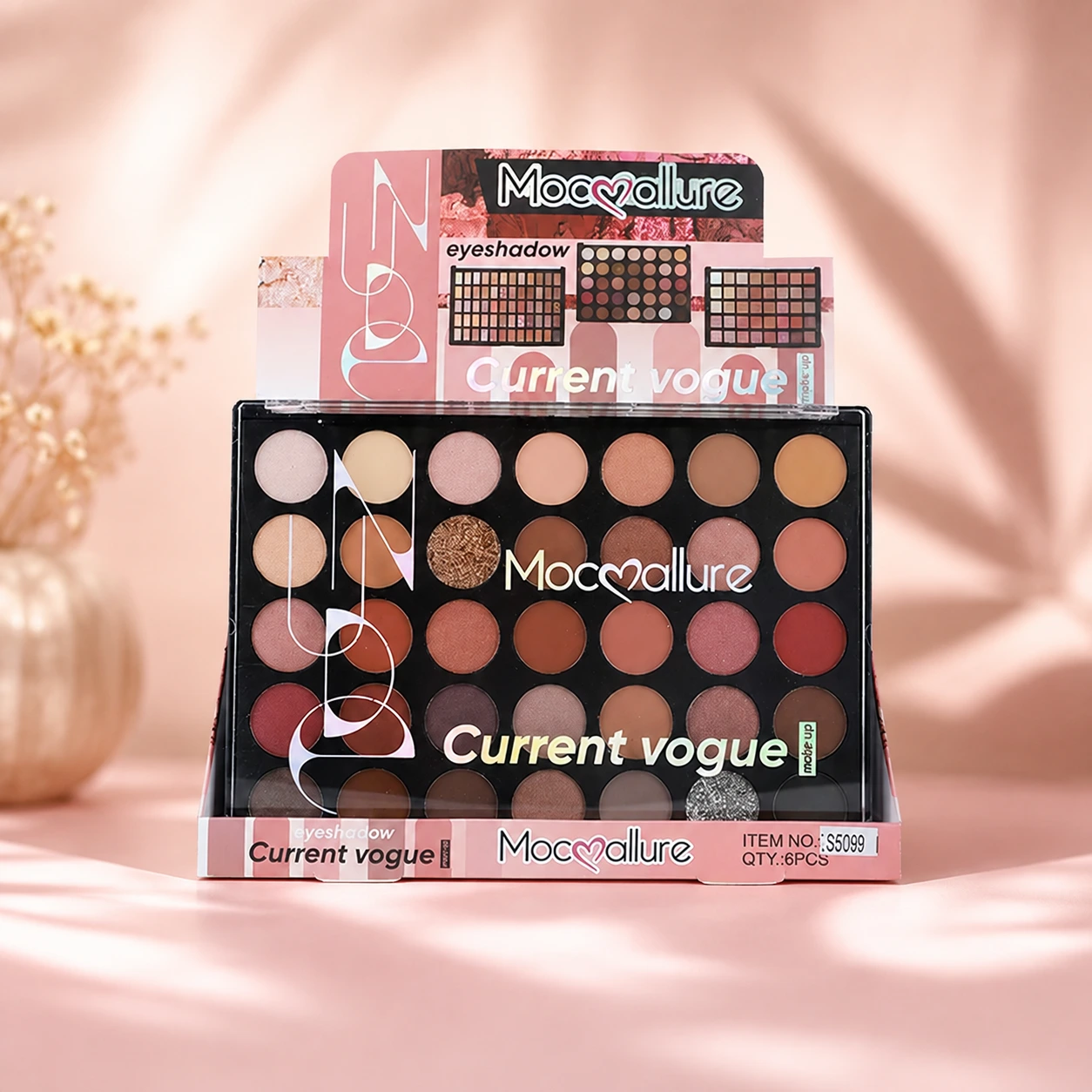
For custom eyeshadow palettes, shade names, pan positions, formula references, and artwork need to move through approval together. A mismatch between the palette layout and technical records can affect labeling, safety review, repeat production, and future shade extensions.
Separate Core Records From Local Requirements
Keep the core technical records stable, then adapt market-specific items separately. These may include local languages, importer addresses, responsible-party details, warnings, barcode formats, claims, and registration references.
This approach helps a brand launch in one market first and add others later without rebuilding the project. The formulation still needs a destination-specific review for ingredient restrictions and claims, but strong version control reduces confusion and duplicated work.
Plan Packaging for International Distribution
Packaging carries the brand identity, protects the item, and provides the information required for sale. A clean design can become crowded once the INCI list, directions, warnings, importer details, barcodes, batch information, and several languages are added. Packaging decisions belong in the sourcing plan, not at the end of sampling.
Leave Room for Market-Specific Information
Before approving the component and carton size, check the space needed for ingredients, product function, directions, warnings, net content, importer details, batch information, country of origin, languages, and barcodes.
A multilingual carton can reduce packaging MOQ and simplify stock management. Separate packs may work better when importer details, claims, language, or local references differ. Neither route is automatically cheaper. Compare printing quantity, over-labeling cost, stock allocation, and the chance of future artwork changes.
A custom blush collection may use similar commercial shade names across several markets. Keep the shade name, formula code, barcode, ingredient record, artwork, and shipping SKU consistent from the first sample onward.
Match the Pack to Shipping and Climate Conditions
International orders pass through freight handling, customs checks, warehouses, and local delivery. Primary components and cartons need to perform across that route.
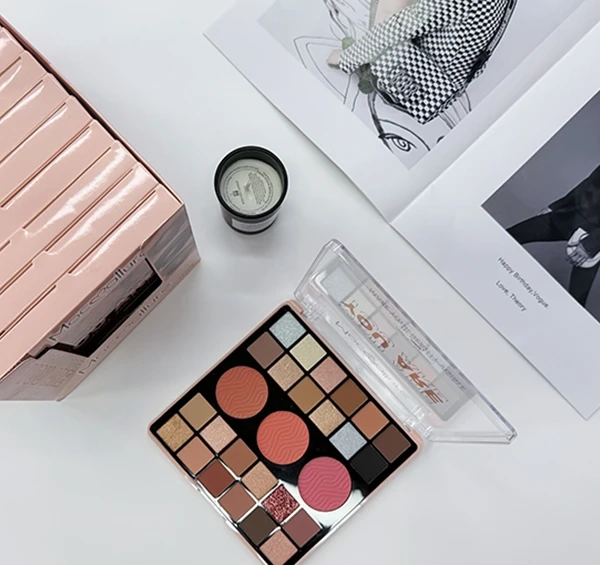
For loose and pressed powder, review the sifter, seal, compact closure, leakage control, net weight, carton strength, and inner protection. Heat, humidity, dry air, and long warehouse storage can also affect pressing, adhesives, component fit, and texture.
Broad claims such as “one global formula” are not a substitute for destination-based testing. Match the formulation and packaging to the actual product, transport route, storage conditions, and sales environment.
Compare a Makeup Manufacturer on Total Project Risk
Price, MOQ, and sample speed matter, but they do not show whether a supplier can manage a multi-market order. A large formula library has limited value when the approved sample cannot be linked to the correct INCI list, shade reference, component, and batch record. Supplier qualification works better when every manufacturer is reviewed against the same checkpoints.
Use One Procurement Checklist for Every Supplier
| Project stage | Buyer confirms | Supplier provides |
| RFQ | Markets, products, shades, claims, quantity | Production route and document availability |
| Sampling | Texture, finish, formula code, pack direction | Sample references and technical information |
| Artwork | Languages, importer details, barcodes, claims | Final INCI and product data |
| Production | Test scope, QC points, deadline | Batch controls and agreed records |
| Shipment | SKU list, labels, carton marks | Inspection and shipping documents |
Ask direct questions:
- Is the INCI linked to this exact sample code?
- Does every shade have a formula reference?
- Which tests apply to this version?
- Can the bulk batch be traced to the approved sample?
- Which documents are available before packaging production?
Mocoallure’s makeup OEM/ODM factory guide covers sampling, quality checks, production consistency, and lead-time planning in more detail.
Focus on Cost Drivers, Not Vanity Metrics
Low MOQ, fast sampling, and a large formula library can be useful. None of them proves that a cosmetics supplier is right for a specific project.
The stronger comparison points are formula traceability, current document versions, shade consistency, packaging coordination, test scope, batch-to-batch consistency, and response time for technical questions. A slightly higher unit price may still produce a lower total project cost when it reduces repeat samples, packaging changes, delayed shipments, and documentation errors.
How Mocoallure Supports Global OEM Makeup Projects
Mocoallure works with international brands, importers, distributors, and wholesalers on color cosmetics OEM/ODM projects. Its range includes blush, eyeshadow, eyebrow products, highlighter, loose and pressed powder, makeup sets, and other powder or oil- and wax-based color cosmetics. Mocoallure operates a 5,000-square-meter facility supporting formula development, packaging design, sampling, and mass production for OEM/ODM projects.
Match the Product Brief to the Manufacturing Route
A useful RFQ gives the factory enough information to evaluate the project without guessing. Include the target markets, product category, texture, finish, shade range, packaging style, label languages, claims, estimated quantity, launch date, and required documents.
For custom eyebrow products, include the shade direction, finish, net weight, component style, and target price. For a custom highlighter range, define the particle effect, payoff, shade family, pressing stability, pack format, and intended claims.
The testing plan and available reports are confirmed during project review based on the selected formulation and order requirements.
Keep Repeat Orders and Market Expansion in View
A product may start with one distributor and later move into new countries, online channels, or retail groups. Clear formula codes, shade references, packaging specifications, and technical records make those later steps easier.
The same discipline supports repeat orders. When a component changes or a new shade is added, the team can see which documents, samples, and artwork versions need updating instead of reopening the whole range.
Conclusion
Global private label makeup sourcing is not only a formula-and-packaging decision. Product identity, technical documentation, labels, barcodes, importer details, testing, and production controls need to remain aligned from RFQ to shipment.
A reliable private label cosmetics supplier defines its document scope early and links each approved sample to the correct bulk-production record. This reduces rework, protects launch timing, and gives buyers a clearer view of total project cost.
Brands, importers, distributors, wholesalers, retailers, and e-commerce businesses can contact Mocoallure for a global OEM project review and quotation. Include the target markets, product categories, shade count, packaging concept, estimated quantity, launch date, and document requirements.
FAQs
Q1: Can one private label makeup formula be sold in several countries?
A: The same base formulation may suit several markets, but ingredient restrictions, claims, labels, importer details, and registration responsibilities still need a local review.
Q2: What documents do international buyers request from a private label makeup manufacturer?
A: Buyers commonly request INCI information, formula and shade references, finished-product specifications, manufacturing data, available test records, packaging details, and batch traceability information.
Q3: Can the same packaging be used worldwide?
A: Sometimes. The final artwork still needs review for local language, importer details, warnings, barcodes, claims, and other market-specific information.
Q4: What documents are needed for a multi-shade eyeshadow palette?
A: A palette normally needs formula references for every shade, matching INCI information, a shade-to-formula matrix, specifications, available test data, and consistent identifiers across the sample, artwork, and production record.
Q5: Does an OEM cosmetics manufacturer handle registration in every country?
A: The importer, EU Responsible Person, authorised representative, or local registration holder normally manages the official submission. The OEM manufacturer provides the agreed technical, manufacturing, and product information.

our best Product
Product We’re Offering
call emergency
+86 18767932113

get in touch
How May We Help You!

our testimonials
What They Say About Our

We’ve been wholesaling beauty products from this supplier for 2 years, and the quality has never disappointed!