


News
Makeup OEM/ODM Factory Guide: QC, Samples and Bulk Lead Time
-
 author
Choosing a makeup OEM/ODM factory for bulk orders is not only about finding a better price. For beauty brands, wholesalers, and distributors, the real risk often appears after the first sample looks acceptable. Color cosmetics leave little room for vague control. Texture, shade, packaging, label details, and batch records all affect the final selling result.
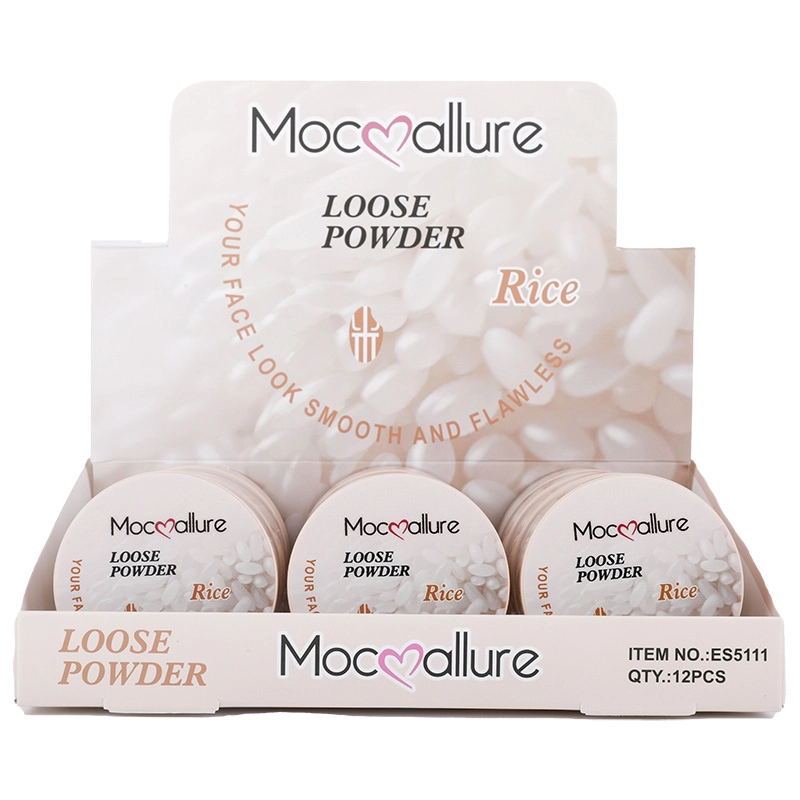
Mocoallure works as a cosmetics manufacturing partner covering oil and wax makeup, powder makeup, beauty products, formula development, package design, and mass production. Its product range includes blush, eyebrow, eyeshadow, highlight, makeup sets, and powder, which fits the needs of B2B buyers building private label makeup lines.
Why Factory Selection Matters for Bulk Makeup Orders
Bulk makeup sourcing is different from buying ready-made stock. A factory must repeat the approved sample in larger volume while keeping color, texture, weight, packaging, and labeling stable. This is not always easy, especially for powder-based makeup.
Blush, eyeshadow, eyebrow powder, highlighter, pressed powder, and loose powder all depend on pigment balance, powder fineness, binder ratio, and pressing strength. If these details are not controlled well, the product may have uneven payoff, fallout, cracking, weak adhesion, or leakage.
Common risks in makeup bulk orders include:
- Shade difference between sample and mass production
- Packaging delay caused by custom printing or material changes
- Formula instability in hot or humid markets
- Weak batch records for repeat orders
- Label information that does not match local market needs
- Breakage or leakage during long-distance shipping
A reliable makeup oem factory should discuss these points before order confirmation.
OEM vs ODM: Which Model Fits the Project?
OEM and ODM serve different buying needs. OEM is suitable for brands with clear formulas, shade references, packaging ideas, or finished product concepts. The factory mainly handles production according to the buyer’s requirements.
Cosmetics odm is more suitable when product development support is needed. This may include formula adjustment, shade planning, packaging selection, sample creation, and launch preparation. For a new private label makeup brand, ODM can make the early stage easier. For a mature brand, OEM usually gives more control over product identity.
| Model | Suitable Buyers | Main Focus |
| OEM | Brands with formulas or clear concepts | Accuracy, production control, batch repeatability |
| ODM | Buyers needing product development support | Formula direction, samples, packaging choices |
| Private label makeup | Distributors, retailers, startup beauty brands | Branding, MOQ, cost control, delivery timing |
Mocoallure supports OEM/ODM services, including formula development, package design, and mass production. This gives buyers room to develop single items or a more complete makeup line.
Product Categories Need Different QC Standards
A professional factory should not use one checklist for every makeup product. Each category has its own production details.
Blush
Blush needs smooth pickup, soft skin adhesion, and even color payoff. Matte, pearlescent, and micro-shimmer finishes should be checked under different lighting conditions. This simple step helps reduce shade complaints after retail launch.
Eyeshadow
Eyeshadow requires pigment strength, blendability, low fallout, and stable pressing. Large palettes need more careful shade planning because one weak color can affect the whole set. Matte and shimmer shades should also feel balanced in the same palette.
Eyebrow Powder
Eyebrow powder should look natural and clean on skin. Clumping, red undertones, or a dusty finish may reduce repeat purchases. For international markets, shade range should match different hair colors and skin tones.
Highlight and Powder
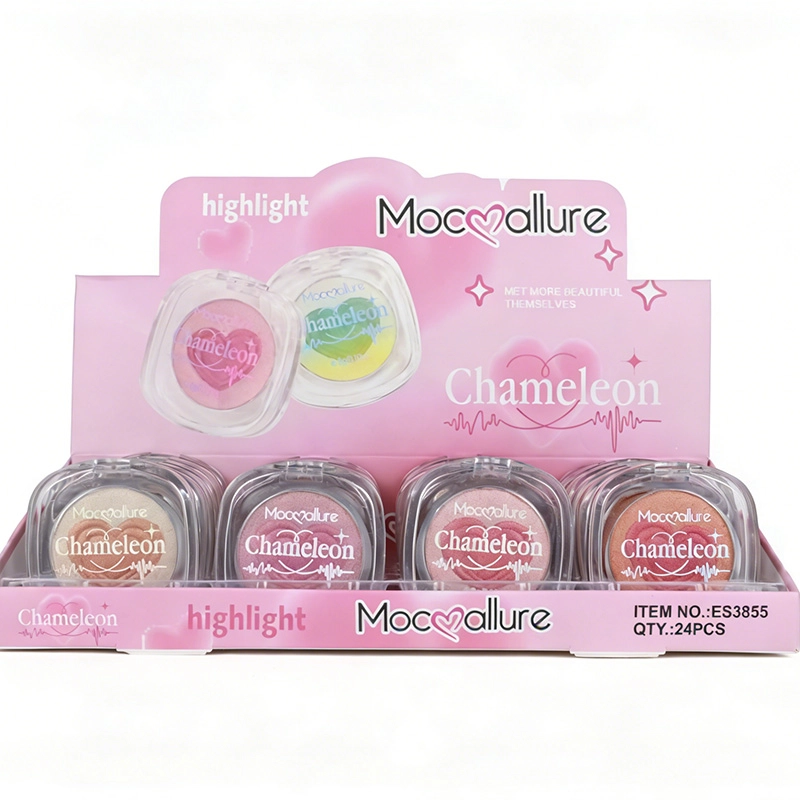
Highlighter depends on shine level, particle feel, and skin fit. Pressed powder and loose powder require fine texture, oil control, secure sealing, and packaging that can handle transport. For e-commerce channels, leakage and breakage checks are especially important.
Quality Control Checks Before Factory Confirmation
Quality control should start before mass production, not at the final inspection table. The production of Mocoallure follows GMPC dual certification, ISO 22716, and cosmetic GMP standards. Its website also mentions whole-chain testing, including microbiological, heavy metal, and stability testing.
For B2B sourcing, QC communication should cover these areas:
| QC Area | What to Check | Why It Matters |
| Raw materials | Pigments, powder base, waxes, oils, fragrance if used | Supports safety and product performance |
| Formula stability | Texture, color, odor, heat response, humidity response | Reduces complaints in different climates |
| Packaging | Compact case, palette tray, mirror, label, outer box | Affects brand image and shipping safety |
| Batch records | Production date, batch number, inspection notes | Helps repeat orders and traceability |
| Finished goods | Appearance, weight, shade, filling, breakage, labeling | Protects shipment quality |
Buyers may also request ingredient lists, batch inspection reports, stability summaries, and shipment photos when required by the target market. These documents are not just paperwork. They help reduce disputes and make reorder control easier.
Sample Development Before Bulk Production
Sampling is the stage where most risks can be found early. A sample should confirm more than color. It should also show texture, skin feel, packaging structure, logo position, label content, and basic user experience.
For makeup oem and cosmetics odm projects, sample review should include:
- Shade accuracy against the approved reference
- Texture, payoff, and blendability
- Packaging material and opening feel
- Logo printing and label position
- Product weight or pan size
- Outer box strength and packing method
Mocoallure provides customized product colors, scents, packaging designs, and brand logo support, with MOQ requirements. These options are useful for private label makeup projects, but decisions should be fixed before bulk production. A late change to a compact case, label size, or box artwork can affect cost, printing time, packing, and delivery.
Lead Time Planning for Bulk Makeup Orders
Lead time includes more than production days. It also covers formula discussion, quotation, sample making, sample revision, packaging sourcing, artwork approval, production scheduling, inspection, packing, and shipment preparation.
Packaging can become a major reason for delay when custom printing, palette trays, mirrors, special cartons, or regional labels are involved. An eyeshadow palette with many shades may also need more time for shade matching and layout confirmation.
To reduce delay risks, buyers should confirm:
- Formula direction and shade references
- Packaging type and material
- Logo and label files
- MOQ and reorder plan
- Market label language
- Testing or document needs
- Peak-season order timing
Mocoallure’s website mentions Arabic label support, including product name, ingredients, Halal logo, and expiry date in Arabic and English. For buyers selling into related markets, label planning can affect customs clearance and retail readiness.
Responsible Packaging and Compliance for B2B Buyers
ESG in makeup sourcing should stay practical. For bulk orders, responsible planning can start with fewer unnecessary sample revisions, accurate artwork confirmation, suitable protective packaging, and less overpacking where possible.
Better QC also supports waste reduction. Fewer defects mean fewer returns, fewer discarded products, and less wasted packaging material. Compliance matters as well. Ingredient information, label claims, shelf life, and usage instructions should be accurate before printing. Overstated product claims may create legal and brand risks.
Why Mocoallure Fits B2B Makeup OEM/ODM Projects
Mocoallure is better positioned as a production-control partner for bulk makeup orders, rather than only a custom beauty brand manufacturer. Its OEM/ODM service covers formula development, package design, quality testing, and mass production for product lines such as blush, eyeshadow, eyebrow powder, highlighter, powder, and makeup sets.
For buyers comparing several factories, the stronger value lies in how these services connect with sample approval, batch consistency, packaging coordination, and lead time planning. Its 5,000-square-meter production facility, OEM/ODM service process, and quality testing information are relevant for buyers looking for stable bulk supply.
The brand also mentions market-focused development, including high-temperature tolerance, water and sweat resistance, long-lasting makeup performance, and high-pigment color systems. These features are useful for buyers targeting the Middle East, Africa, South America, Southeast Asia, and other regions where climate and makeup habits may affect formula choice.
Conclusion
Choosing a makeup OEM/ODM factory for bulk orders requires careful review of product experience, sample accuracy, QC systems, packaging support, lead time planning, and repeat order stability. Blush, eyeshadow, eyebrow powder, highlighter, powder, and makeup sets all have different production details, so early communication should be specific.
Mocoallure supports makeup oem, cosmetics odm, and private label makeup projects through formula development, package design, quality testing, and mass production. For brands, distributors, and wholesalers planning new color cosmetics lines, contact Mocoallure to discuss sample development, customization needs, and bulk order schedules.
FAQs
Q1: What should buyers check before choosing a makeup OEM factory?
A: Buyers should review the factory’s QC process, sample accuracy, formula stability, packaging capacity, MOQ, lead time, and reorder control.
Q2: Is cosmetics ODM suitable for new private label makeup brands?
A: Yes. Cosmetics ODM can help new brands move from product idea to sample, packaging, and production with less early-stage pressure.
Q3: Which makeup categories are suitable for OEM/ODM bulk production?
A: Common OEM/ODM categories include blush, eyeshadow, eyebrow powder, highlighter, pressed powder, loose powder, and makeup sets.
Q4: Why should bulk buyers approve samples before production starts?
A: Sample approval helps confirm shade, texture, pan fill, packaging fit, logo placement, label details, and basic product performance.
Q5: How can buyers reduce lead time risks in private label makeup orders?
A: Buyers should confirm formulas, artwork, packaging, labels, MOQ, sample revisions, and reorder forecasts as early as possible.

our best Product
Product We’re Offering
call emergency
+86 18767932113

get in touch
How May We Help You!

our testimonials
What They Say About Our

We’ve been wholesaling beauty products from this supplier for 2 years, and the quality has never disappointed!