


News
25
June
Private Label Makeup Manufacturer for Custom Beauty Brands in 2026
-
 author

Private label makeup goes beyond basic logo placement on products. In 2026, beauty brands seek quicker releases, careful product planning, improved packaging, and consistent output quality. A blush shade can trend on social media for just weeks. A distributor might require a complete makeup set ahead of a seasonal sales period. An e-commerce brand could try three eyeshadow palettes before committing to bigger volumes.
For B2B buyers, these details matter. A private label makeup manufacturer needs to deliver more than low costs. The suitable partner offers help with formula work, shade tweaks, packaging ideas, quality checks, and large-scale output.
Mocoallure handles cosmetics OEM/ODM manufacturing. Its services cover formula work, package ideas, and volume runs for custom items like blush, eyeshadow, highlight, eyebrow goods, powder, and makeup sets.
Why Private Label Makeup Still Matters in 2026
Beauty trends shift quickly, but product creation takes time. This difference puts pressure on brand owners, importers, and distributors. Private label makeup shortens the route from concept to finished item. It still allows room for custom colors, textures, packaging, and brand style.
Many custom beauty brands face the real issue of turning ideas into steady products ready for repeat bulk orders. A solid sample marks only the start. The key test lies in keeping the same shade, feel, and package standard across every production run.
Faster Launches with Lower Development Risk
Private label makeup allows brands to test new SKUs without building a complete factory system. A buyer can start with a blush, pressed powder, or eyeshadow palette, review market feedback, and then expand into matching products.
This approach is useful for:
- E-commerce beauty brands testing fast-moving products
- Distributors building regional makeup collections
- Retail buyers preparing seasonal sets
- Importers looking for stable custom cosmetics supply
- New brands planning small-batch product testing
It does not remove every risk, but it makes the process easier to manage.
Better Control Over Branding
Packaging has become a major part of makeup value. A formula may perform well, but weak packaging can make the product feel ordinary. Private label makeup gives brands more control over logo placement, case design, outer box printing, color story, and retail presentation.
For online sales, packaging also affects product photos. A clean compact, clear label, and well-matched color palette can make a product easier to sell before the customer ever touches it.
What to Look for in a Private Label Makeup Manufacturer
A reliable makeup manufacturer should support the full process from product concept to shipment. For B2B buyers, the key question is not only whether the supplier can make the product. It is whether the supplier can repeat the approved sample in bulk production.
OEM/ODM Support from Formula to Packaging
A practical OEM/ODM service should include formula development, color matching, sample adjustment, packaging design, logo application, and mass production planning. Mocoallure provides one-stop OEM/ODM support for makeup brands, helping reduce the number of separate suppliers involved in one project.
This matters because many delays come from poor coordination between formula teams, packaging suppliers, printing vendors, and production lines. When one supplier can manage more steps, communication becomes simpler and launch planning becomes more predictable.
Quality Control and Production Standards
Quality control in custom cosmetics is not only about appearance. For powder makeup, small changes in pressing, pigment dispersion, or texture can affect how the product feels on skin. For makeup sets, packaging fit and final inspection also matter because broken pans or loose cases can damage the buyer’s retail plan.
B2B buyers should pay close attention to:
- Formula stability
- Shade consistency
- Packaging fit
- Batch inspection
- Microbiological and heavy metal testing where required
- Label and outer box accuracy
- Final product inspection before shipment
Mocoallure’s official information highlights cosmetics manufacturing with GMPC, ISO 22716, and GMP-related production systems, which is a useful signal for buyers reviewing supplier reliability.
Private Label Makeup Products for Custom Beauty Brands
A strong custom makeup line usually needs more than one product. Single SKUs are easier to start with, but full collections often bring better retail value. Mocoallure’s product range gives brands room to develop face, eye, and set-based makeup products.
Custom Blush for Daily and Seasonal Collections
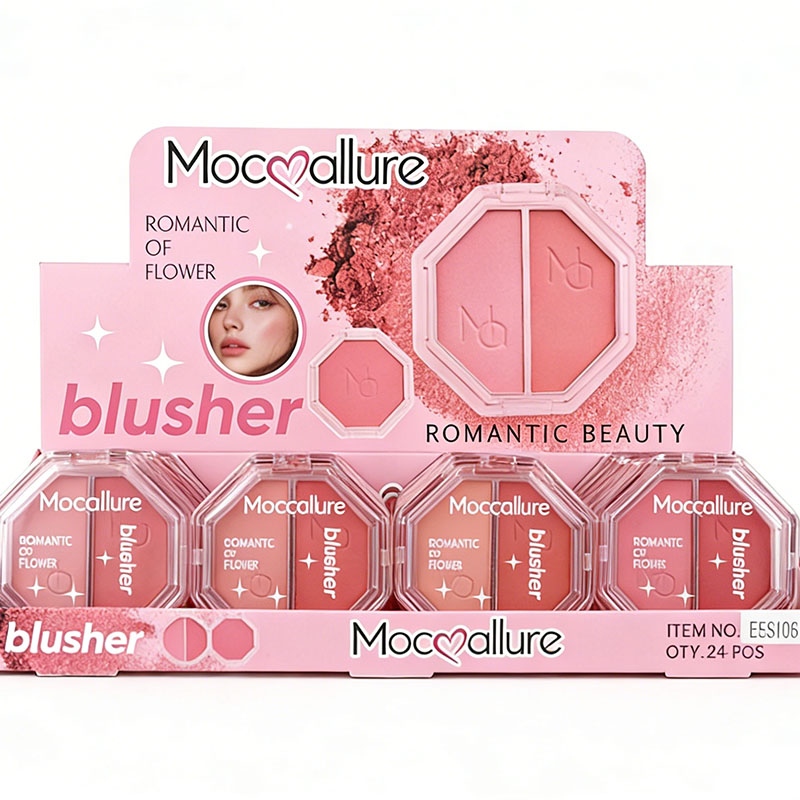
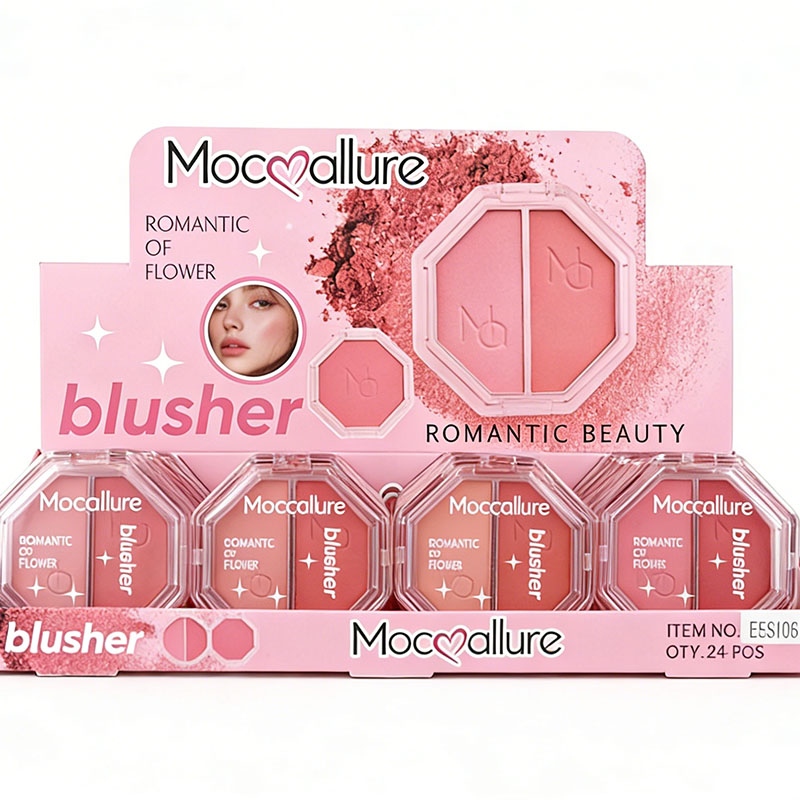
Blush remains a strong category because it is easy to explain, easy to photograph, and easy to add to a daily routine. Custom blush projects may include matte blush, shimmer blush, pearlescent blush, or multi-shade blush palettes.
For B2B buyers, blush is also flexible. Soft pink, peach, coral, and warm nude shades can be adjusted for different markets. A small but real detail: blush shades may look different under daylight, studio lighting, and phone cameras. Sampling should consider this, especially for e-commerce brands.
Private Label Eyeshadow Palettes
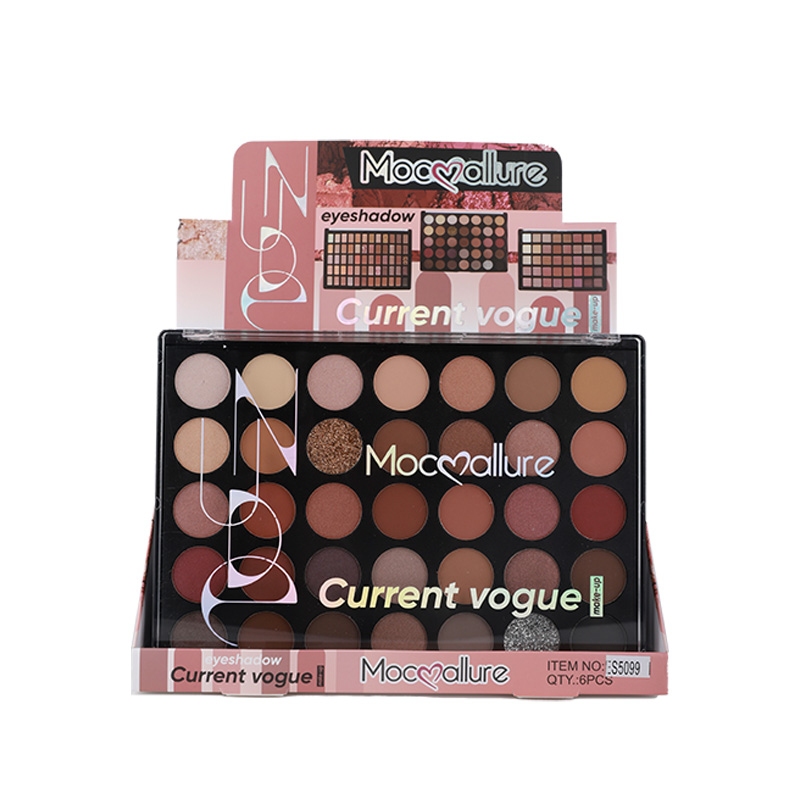
Eyeshadow palettes reveal brand style fast. A neutral palette feels safe for daily use. A colorful one looks playful. A shimmer-heavy set may fit party looks or creator campaigns.
A private label eyeshadow palette needs review for color payoff, powder feel, fall-out control, pan fill, and case structure. Strong packaging draws eyes. The texture decides if customers return.
Highlight, Powder, and Eyebrow Products
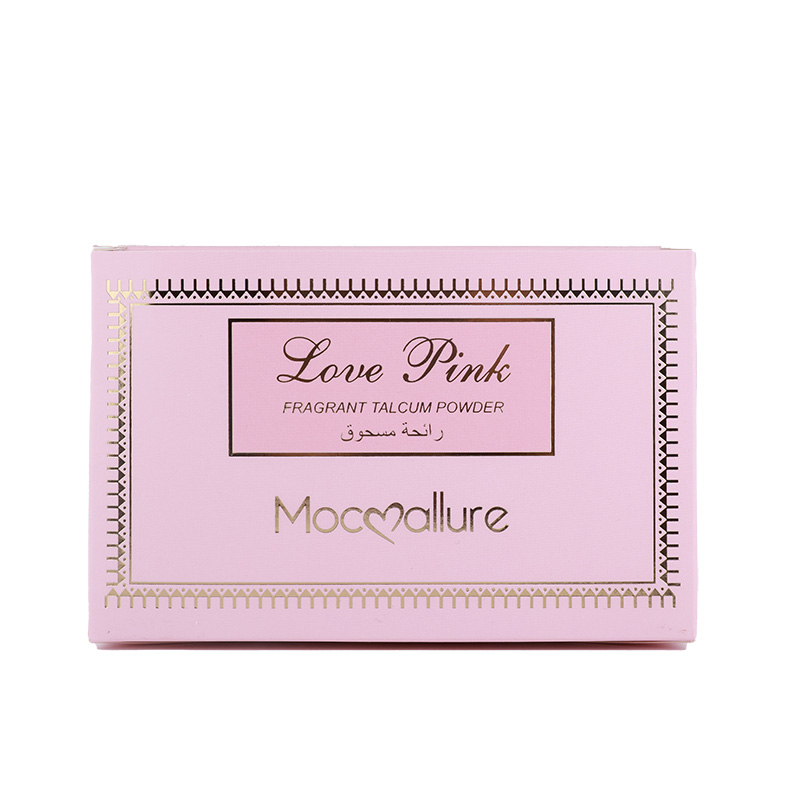
Highlight and powder items help complete a face makeup line. Pressed powder, loose powder, soft-focus powder, and highlighter pair well with blush and base items. In humid markets, oil control and comfortable wear gain importance. In cooler markets, a smooth finish and soft glow often appeal more.
Eyebrow products are also practical for daily makeup lines. They are often easier to reorder because users replace them more regularly than trend-based color products.
Custom Makeup Sets for Retail and Wholesale
Makeup sets help distributors, gift channels, and e-commerce bundles. A set can combine blush, eyeshadow, eyebrow items, and powder inside one branded package. This builds a clearer product story and supports higher order value.
For wholesale buyers, makeup sets simplify purchases. Instead of picking many single items, the buyer gets a ready collection that moves straight into retail or online sales.
How Customization Builds Market Fit
Customization should not be treated as decoration. In private label makeup, it connects the product with a target market, price level, channel, and buyer preference.
A mass-market line may need simple packaging, stable formulas, and lower unit cost. A premium line may need heavier cases, cleaner printing, better outer boxes, and more refined shade planning. A distributor-focused line may care more about reorder stability and carton protection during transport.
Useful customization points include:
- Matte, shimmer, pearlescent, or micro-shimmer finishes
- Neutral, warm, bold, or seasonal color stories
- Compact case shape and mirror design
- Logo printing and label layout
- Outer box design
- Retail-ready makeup sets
- Shipping protection for bulk orders
These details may look small, but they often decide whether a product feels ready for the market.
Why Mocoallure Fits Custom Beauty Brand Development
Through OEM/ODM cosmetic manufacturing, Mocoallure caters to custom cosmetics with a variety of offerings in terms of product focus. The product focus of Mocoallure includes powder cosmetics, oil and wax cosmetics, and beauty products such as blushes, eyeshadows, highlights, powders, eyebrow products, and cosmetics kits.
This product coverage is helpful for brands that want to start with one SKU and later expand into a wider makeup line. A brand may begin with a custom blush, then add a matching highlighter, powder, and eyeshadow palette. With formula development, packaging design, and mass production support, Mocoallure can help custom beauty brands move from product concept to finished goods with fewer disconnected steps.
Conclusion
Private label makeup in 2026 is a practical route for beauty brands, importers, and distributors that need faster launches, flexible product planning, and stable production. The right makeup manufacturer should support formula work, packaging design, quality checks, and repeatable bulk production.
Mocoallure offers OEM/ODM support for custom cosmetics across blush, eyeshadow, highlight, powder, eyebrow products, and makeup sets. For brands planning a private label makeup line or expanding an existing beauty collection, Mocoallure can support product development from concept to production. Contact Mocoallure to discuss custom makeup projects and request a free quote.
FAQs
Q1: What is a private label makeup manufacturer?
A: A private label makeup manufacturer produces cosmetics that brands can sell under their own name, often with custom formula, color, packaging, and logo options.
Q2: Why do custom beauty brands choose private label makeup?
A: Custom beauty brands choose private label makeup because it helps reduce development pressure, shorten launch time, and support product testing before larger bulk orders.
Q3: What custom cosmetics can Mocoallure support?
A: Mocoallure supports custom cosmetics such as blush, eyeshadow, highlight, powder, eyebrow products, and makeup sets through OEM/ODM makeup manufacturing services.
Q4: What should B2B buyers check before choosing a makeup manufacturer?
A: B2B buyers should check product range, sample support, formula development, packaging options, quality control, MOQ, lead time, and reorder stability.
Q5: Is private label makeup suitable for small beauty brands?
A: Private label makeup can suit small beauty brands because it allows custom branding, product testing, and gradual scaling without building an in-house production system.

our best Product
Product We’re Offering
call emergency
+86 18767932113

get in touch
How May We Help You!

our testimonials
What They Say About Our

We’ve been wholesaling beauty products from this supplier for 2 years, and the quality has never disappointed!