

News
How to Source Private Label Body Powder for Retail and Distribution
-
 author
A private label body powder manufacturer is a practical fit when your brand needs a defined powder product, a retail-ready presentation, and a manufacturing partner that can discuss formula, packaging, and production together.
The right supplier is not chosen by a logo mock-up alone. Buyers should first define the use case, finish, scent position, pack format, target market, and route to market, then ask the manufacturer to confirm what can be developed and what must be tested or registered locally.
The guide supports retail, e-commerce, and distribution evaluation without assuming unquoted MOQ, price, lead time, or regulatory approval.
Start With the Buyer and Use Case
Body powder can sit between color cosmetics and personal care, so first define how it will be sold. A retailer may want a daily-use item; an e-commerce brand may prioritize parcel-ready packaging; a distributor may need bilingual information and a repeatable SKU. These are different briefs even when the product name is the same.
Write the intended buyer, channel, market, pack size, and launch role in one page. Avoid promising a cosmetic effect that has not been validated. Instead, describe the product experience you want to evaluate: loose or pressed powder, neutral or scented positioning, matte or decorative presentation, and the conditions in which customers are expected to use it. This gives the manufacturer a decision framework rather than a vague request for a private label body powder.
Check Whether the Product Range Fits the Brief
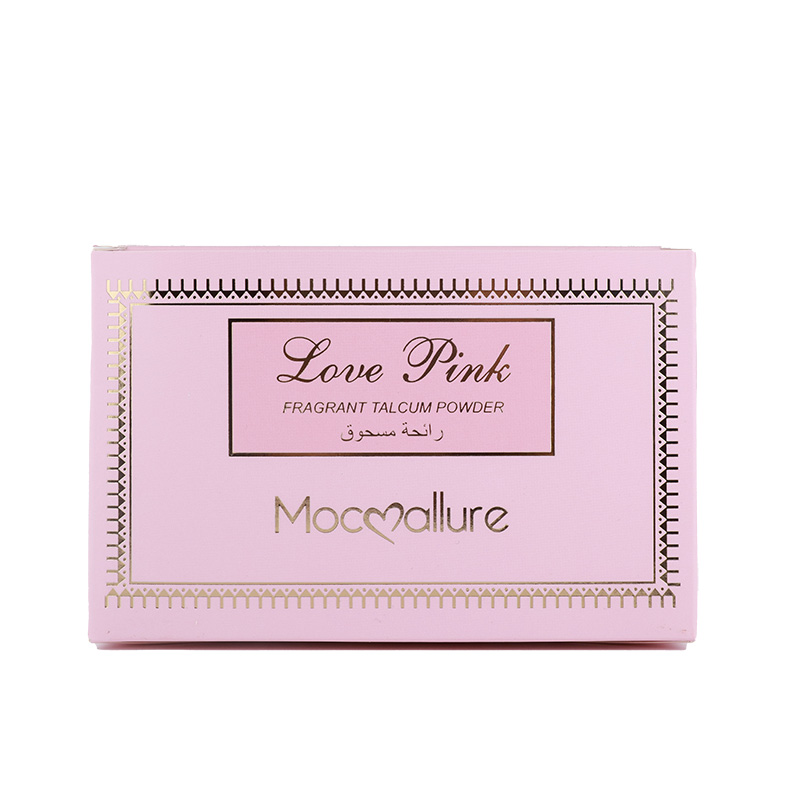
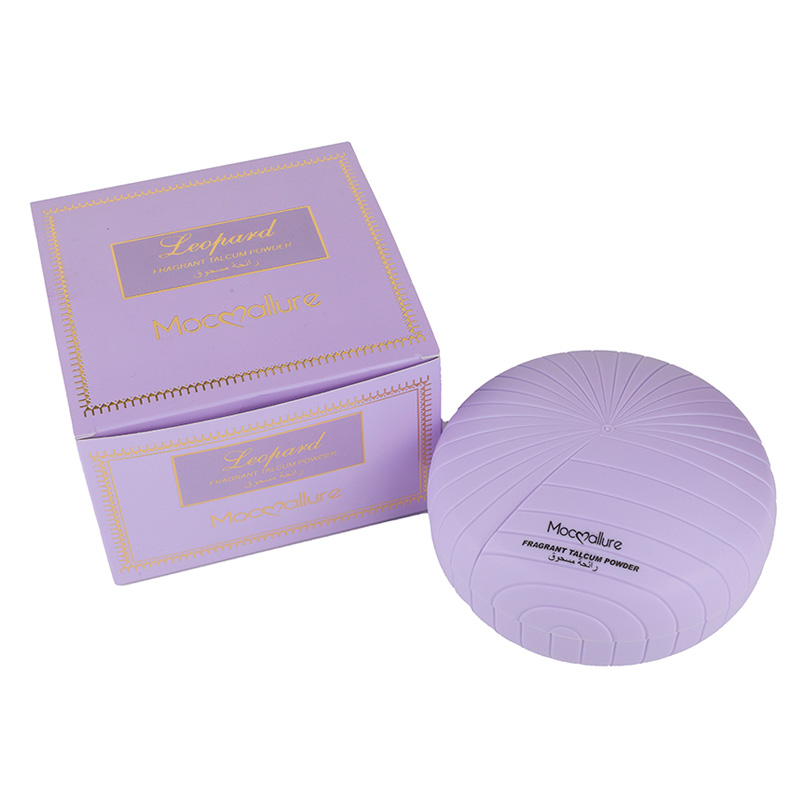
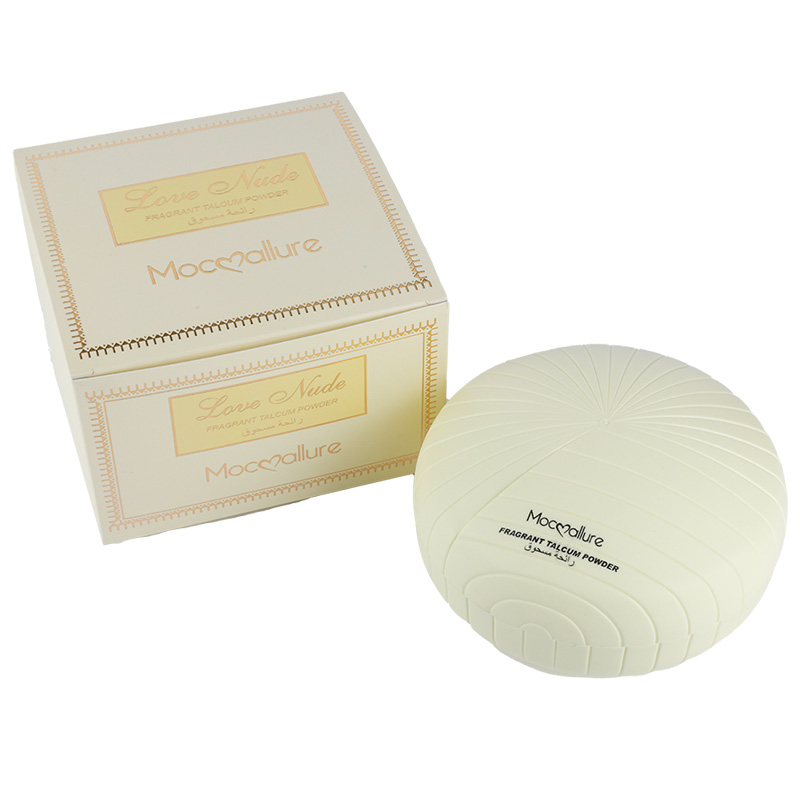
Mocoallure has body powder product pages within its official range, alongside powder makeup such as blush, eyebrow powder, eyeshadow, and highlight. That matters for a buyer building a coordinated assortment: the body powder request can be discussed in the same manufacturing context as other powder-led products, while the exact formula, finish, scent, color, and packaging still need to be confirmed for the individual SKU.
Review the body powder product range against the intended retail role, then ask which details are available for sampling and quotation.

Mocoallure describes one-stop OEM/ODM support covering formula development, package design, and mass production. For a buyer, the useful implication is process continuity: the same inquiry can connect product requirements to the pack and launch path. It is not a guarantee that every requested specification is available.
Treat the capability as a reason to open a technical conversation, and request written confirmation of the formula scope, packaging options, sample process, and applicable order conditions before committing.
A useful selection rule is simple: choose a supplier only when it can respond to both the product question and the commercialization question.
A stronger manufacturing partner should be able to discuss powder texture together with artwork, labeling, sampling, and production approval, helping buyers keep the project coordinated from development to bulk production.
Define Formula and Presentation Decisions Before Sampling
A sample request should be specific enough to compare but open to a workable recommendation. State the desired powder format, sensory direction, fragrance preference if relevant, visual finish, intended customer, and any ingredients or claims that are prohibited by your market policy. Ask the supplier to identify which points are confirmed, which require development, and which require local compliance review.
- Product format: loose, pressed, or another format the manufacturer confirms is available.
- User experience: dry, silky, lightweight, scented, unscented, or another testable direction.
- Presentation: compact, jar, sifter, or another pack concept subject to packaging confirmation.
- Market requirements: language, ingredient declaration, warnings, batch information, shelf-life statement, and responsible-party details required by the destination market.
- Sample comparison: texture, spread, residue, scent acceptance, closure performance, and appearance after handling.
Use sample approval for product and presentation decisions, while reviewing regulatory files, testing evidence, and destination-market requirements as separate parts of the launch process. Sampling answers product and presentation questions; it does not replace the regulatory file, stability evidence, microbiological review, or market-specific registration work that may apply. Keep those workstreams separate in the buying plan so a visually successful sample does not create a false launch deadline.

Match Packaging to Retail and Distribution Risk
Body powder packaging has two jobs: it must present the product clearly and control the powder during storage, transport, and use. Ask how the proposed closure, sifter, inner seal, or compact mechanism will be evaluated.
For e-commerce, include parcel movement and leakage risk. For retail, check shelf visibility, label space, barcode placement, and repeated handling.
Finalize packaging artwork only after the product name, ingredients, net content, responsible-party information, warnings, and destination-market language have been checked. Confirm the exact evidence and approval path for the destination country.
Use Quality and Compliance Questions That Can Be Answered
A serious inquiry asks for the quality information that controls a launch decision, not a list of impressive adjectives. Ask what checks apply to raw materials, bulk production, finished goods, packaging compatibility, stability, and microbiological risk.
Request the documents or summaries needed by your importer, retailer, or regulatory adviser, and record who is responsible for reviewing them. For adjacent assortment context, compare powder-based color product categories.
Mocoallure describes GMPC dual certification, ISO 22716, adherence to cosmetic GMP standards, and whole-chain testing that includes microbiological, heavy-metal, and stability testing.
Use these statements as a starting point for document verification. Ask for the current certificate scope, issuing organization, validity, product relevance, and available test documentation. Do not convert a general production statement into a blanket approval for a particular country or SKU.
Also agree on the defect process before the order is placed. Put the inspection window, evidence format, reporting contact, and remedy language into the commercial record so both parties can apply the same process.
Prepare an RFQ That Produces Comparable Answers
A body powder RFQ should make it easy to separate confirmed facts from assumptions. Send the product brief, target market, desired pack, label language, expected channel, sample questions, and launch constraints in one file.
Ask the manufacturer to return a response that identifies available options, development items, documents, and commercial conditions separately. Before sending the RFQ, review the Mocoallure OEM/ODM manufacturing capabilities.
- Describe the buyer, destination market, channel, and intended use.
- Specify the powder format, sensory direction, packaging concept, and any restricted claims.
- Request the available sample route and the changes that can be made after review.
- Ask for MOQ, price basis, payment terms, lead time, and shipping assumptions in writing rather than inferring them from a product page.
- Request quality, labeling, and compliance documents appropriate to the market, then have the importer or regulatory adviser review them.
- Define approval, artwork release, inspection, defect reporting, and change-control steps before mass production.
Mocoallure states that MOQ applies and that its supply model can support small-batch trial production through larger customization. The exact quantity and commercial terms are not published here, so they belong in the RFQ rather than in a marketing assumption.
This is an important distinction for smaller brands: a trial option may reduce initial exposure, but it does not remove the need to confirm the actual minimum, setup cost, and repeat-order conditions.
Confirm the Project Is Ready for Approval
Before moving into production, confirm that the product brief, packaging details, documentation, and commercial requirements are clearly aligned. A well-prepared project helps buyers and manufacturers keep development decisions consistent from sampling through bulk production.
Review the key points before approval:
- Formula brief:Confirm the desired powder format, sensory direction, fragrance preference, finish, ingredients, and any market-specific requirements.
- Product specification:Ensure the approved sample matches the written product requirements, including texture, appearance, scent, and application experience.
- Packaging details:Confirm the selected packaging format, artwork files, label information, and packaging requirements before production release.
- Documentation review:Verify the available quality documents, testing information, labeling requirements, and destination-market considerations with the responsible parties.
- Commercial terms:Confirm quotation details, order conditions, packaging scope, delivery arrangements, and any artwork or production change procedures.
A clear approval process helps create a reliable connection between product development, packaging, and repeat production. For international buyers, the brand owner, importer, and local compliance advisers should confirm the requirements that apply to the target market before launch.
By aligning product specifications, documentation, and commercial expectations early, buyers can build a smoother path from private label body powder concept to retail-ready production.
Conclusion: Choose on Evidence, Then Request a Quote
Choose a private label body powder manufacturer that connects the brief to sampling, packaging, evidence, and commercial terms. Mocoallure offers a body powder range and describes OEM/ODM support across formula development, packaging, and mass production. Send a complete brief and request written answers to the market- and SKU-specific points.
Request a Body Powder Manufacturing Inquiry
Send the destination market, target customer, desired format, scent or finish direction, packaging idea, label language, sample requirements, and expected order conditions with your first message. Use the custom cosmetic manufacturing inquiry to ask Mocoallure which options can be developed, what documents are available, and which commercial details require a formal quotation.
FAQ
What should I send to a private label body powder manufacturer?
Send the destination market, customer profile, product format, sensory direction, packaging idea, label language, target channel, sample questions, and expected order conditions. Separate mandatory requirements from preferences. This lets the manufacturer identify what can be quoted directly and what needs formula, packaging, or regulatory review.
Does Mocoallure publish a fixed MOQ for body powder?
No fixed quantity should be assumed from the public information used for this guide. Mocoallure states that MOQ applies and describes support from small-batch trial production to larger customization, but the actual minimum depends on the project and must be confirmed in a quotation.
Can Arabic and English labeling be requested?
Mocoallure states that Arabic and English labels can include product name, ingredients, Halal logo, and expiry date. Ask for the exact label workflow and supporting documents, then have the importer or local compliance adviser confirm the requirements of the destination country. Label support is not the same as a blanket regulatory or Halal certification guarantee.
How should a body powder sample be evaluated?
Compare texture, spread, residue, scent acceptance, closure performance, pack durability, and appearance after normal handling. Record the approved version in writing and link it to the artwork and purchase documents. A sample review should also identify which tests or documents are still required before release.
Prev Post:How to Plan a Private Label Powder Makeup Product With an OEM/ODM Manufacturer
Next Post: No next post

our best Product
Product We’re Offering
call emergency
+86 18767932113

get in touch
How May We Help You!

our testimonials
What They Say About Our

We’ve been wholesaling beauty products from this supplier for 2 years, and the quality has never disappointed!