


News
How to Choose a Makeup OEM Manufacturer: Supplier Selection Guide
-
 author

Many overseas beauty buyers begin supplier research after deciding what products they want to launch. The concept may already be clear — a custom eyeshadow palette for an online beauty store, a private label blush collection for a retailer, or a complete makeup set for a new cosmetics brand.
The difficult part usually comes during supplier evaluation.
A product image and a quotation cannot tell buyers everything they need to know. Before placing a bulk order, most buyers need to confirm several practical details:
- Can the manufacturer achieve the expected shade and texture?
- Can samples be adjusted before production?
- Is the MOQ suitable for the current business stage?
- Can product quality remain stable for repeat orders?
- Can packaging meet international shipping requirements?
For beauty brands, wholesalers, and distributors, choosing a Private Label Makeup Manufacturer is not simply a purchasing decision. It affects product quality, launch schedules, customer experience, and long-term supply stability.
Evaluate the Manufacturer’s Product Range and Customization Capability
Before contacting a makeup supplier, buyers should first check whether the manufacturer’s product categories match their market needs.
A supplier may offer competitive prices, but limited product capability can create problems when brands want to expand their collections later.
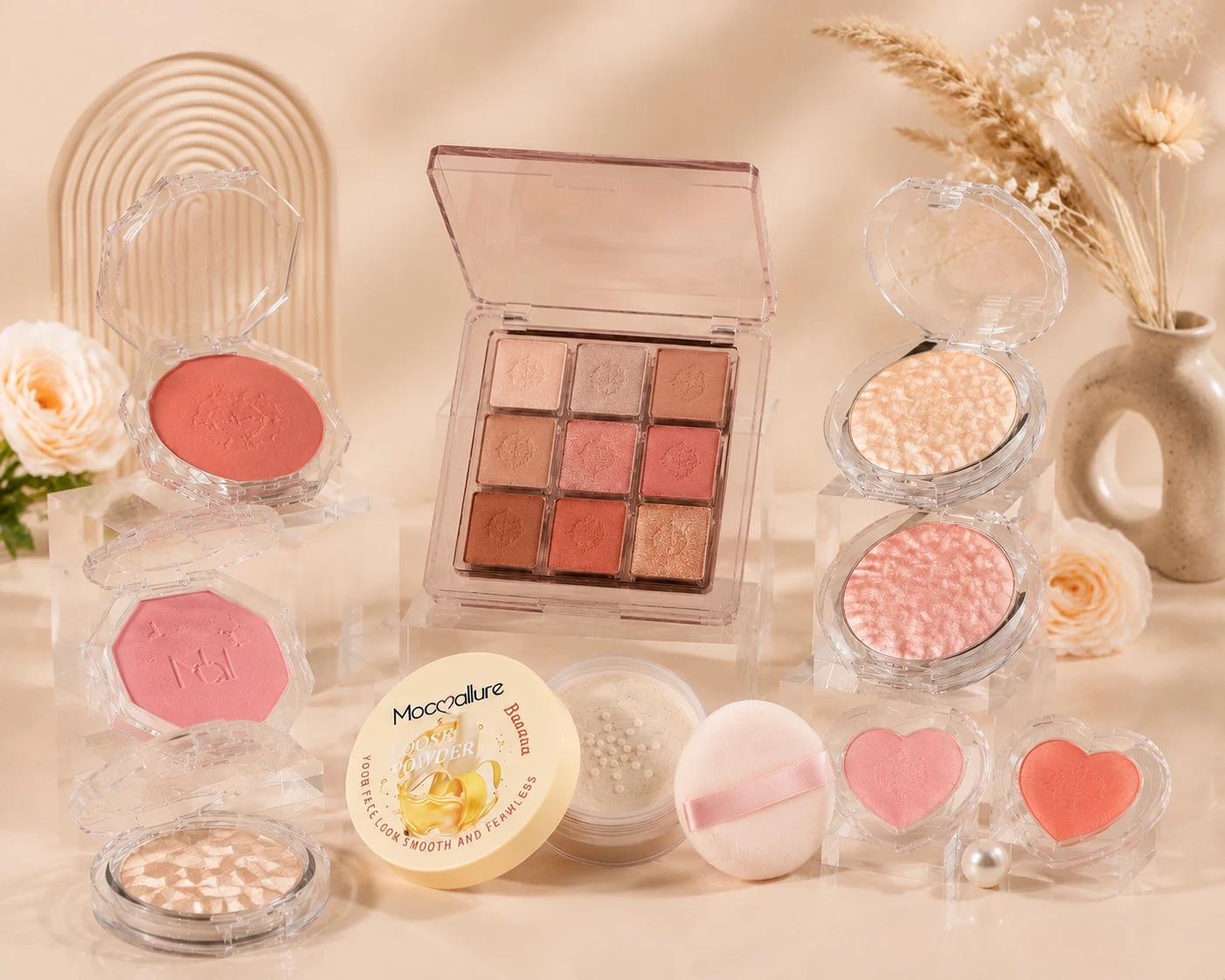
Mocoallure focuses on color cosmetics manufacturing and provides private label and OEM/ODM makeup solutions for global beauty businesses.
Its product categories include:
- Eyeshadow palettes
- Blush products
- Highlighter products
- Eyebrow products
- Powder products
- Makeup sets
For businesses developing Custom Makeup Products, customization capability is one of the first areas to evaluate.
Important questions include:
- Can the supplier adjust shades according to brand requirements?
- Can different finishes be developed, such as matte or shimmer effects?
- Can packaging requirements be supported?
- Can products be combined into complete collections?
For example, an ecommerce brand may need a compact custom eyeshadow palette designed for online customers, while a distributor may require a private label blush collection with multiple shades for different markets.
A capable supplier should support not only the first product launch but also future product expansion.
Understand Private Label and OEM Makeup Manufacturing Options
Different brands have different development requirements. Understanding private label and OEM production models helps buyers choose the right supplier.
Private Label Makeup Manufacturing
Private label production is commonly selected by startups, retailers, and beauty brands that want to launch products with their own branding.
The process usually includes:
- Selecting suitable formulas
- Choosing product categories
- Customizing colors or shades
- Developing packaging and branding elements
This approach allows brands to enter the market faster without developing every formula from the beginning.
OEM Makeup Manufacturing
A Makeup OEM Manufacturer provides deeper customization based on specific product requirements.
OEM projects may involve:
- Formula adjustments
- Customized textures
- Unique shade development
- Specific product concepts
For example, a brand creating a premium eyeshadow collection may require specific shimmer performance, while a blush manufacturer may need to develop shades suitable for different customer preferences.
When comparing a Makeup OEM Manufacturer, buyers should look beyond initial development. Production consistency during future orders is equally important.
Review Sample Development Before Placing a Bulk Order
Sample approval is one of the most important stages in cosmetic manufacturing.
In many projects, the first sample is not always the final version. Color adjustment, texture improvement, or packaging changes may require several communication rounds before production approval.
The typical process includes:
- Product selection
- Formula and shade confirmation
- Sample production
- Product testing
- Packaging review
- Final approval before bulk production
For makeup products, physical samples are essential because digital references cannot fully represent the final result.
For example:
- An eyeshadow shade may look different after being pressed into the final product.
- A blush color may require adjustment after testing under different lighting.
- A highlighter texture may need refinement based on application performance.
During sample evaluation, buyers usually review:
- Shade accuracy
- Pigmentation
- Texture
- Blendability
- Packaging quality
For powder makeup products, pressing quality and packaging protection are especially important. Poor powder structure or unsuitable packaging may increase breakage risks during international transportation.
Evaluate Manufacturing Capability and Quality Control
A professional Private Label Makeup Manufacturer should provide a clear production process and consistent quality management.
Before cooperation, buyers should evaluate:
- Manufacturing experience
- Production process
- Quality inspection procedures
- Packaging control
- Repeat order consistency
For international buyers, the first shipment is only the beginning of the supplier relationship.
A successful first order does not automatically guarantee future consistency. When brands reorder the same eyeshadow palette, blush collection, or powder products months later, maintaining similar color, texture, and packaging quality becomes essential.
Buyers may also request product information before production, such as:
- Product specifications
- Ingredient information
- Packaging details
- Sample confirmation records
Clear documentation helps both sides avoid misunderstandings during production.
Mocoallure supports brands with color cosmetics manufacturing, including eyeshadow palettes, blush, highlighter, eyebrow products, and powder products.
How to Evaluate a Makeup Manufacturer Before Placing an Order
Supplier verification is an important step before cooperation.
Instead of comparing only prices, experienced buyers usually review several areas.
Product Capability
Check:
- Available product categories
- Customization options
- Sample development process
- Packaging choices
Production Communication
Confirm:
- MOQ requirements
- Production timeline
- Order process
- Quality control communication
Long-Term Support
Consider whether the supplier can support:
- Repeat production
- Product expansion
- New collection development
For international beauty businesses, communication quality is often an indicator of future cooperation efficiency.
A manufacturer that provides clear answers during the early stage can help reduce issues during bulk production.
Consider MOQ, Production Timeline, and Future Cooperation
MOQ is one of the most common topics discussed between buyers and makeup suppliers.
However, MOQ is influenced by multiple factors:
- Product category
- Packaging type
- Customization requirements
- Formula development needs
- Production planning
A new beauty brand may start with a smaller order to test customer response, while wholesalers and distributors may require larger quantities for retail supply.
Beyond the first order, buyers should also consider long-term cooperation factors:
- Stable product quality
- Consistent repeat orders
- Flexible product development support
- Reliable communication
A supplier that understands future business needs can help brands avoid unnecessary changes after products enter the market.
How Mocoallure Supports Private Label Makeup Development
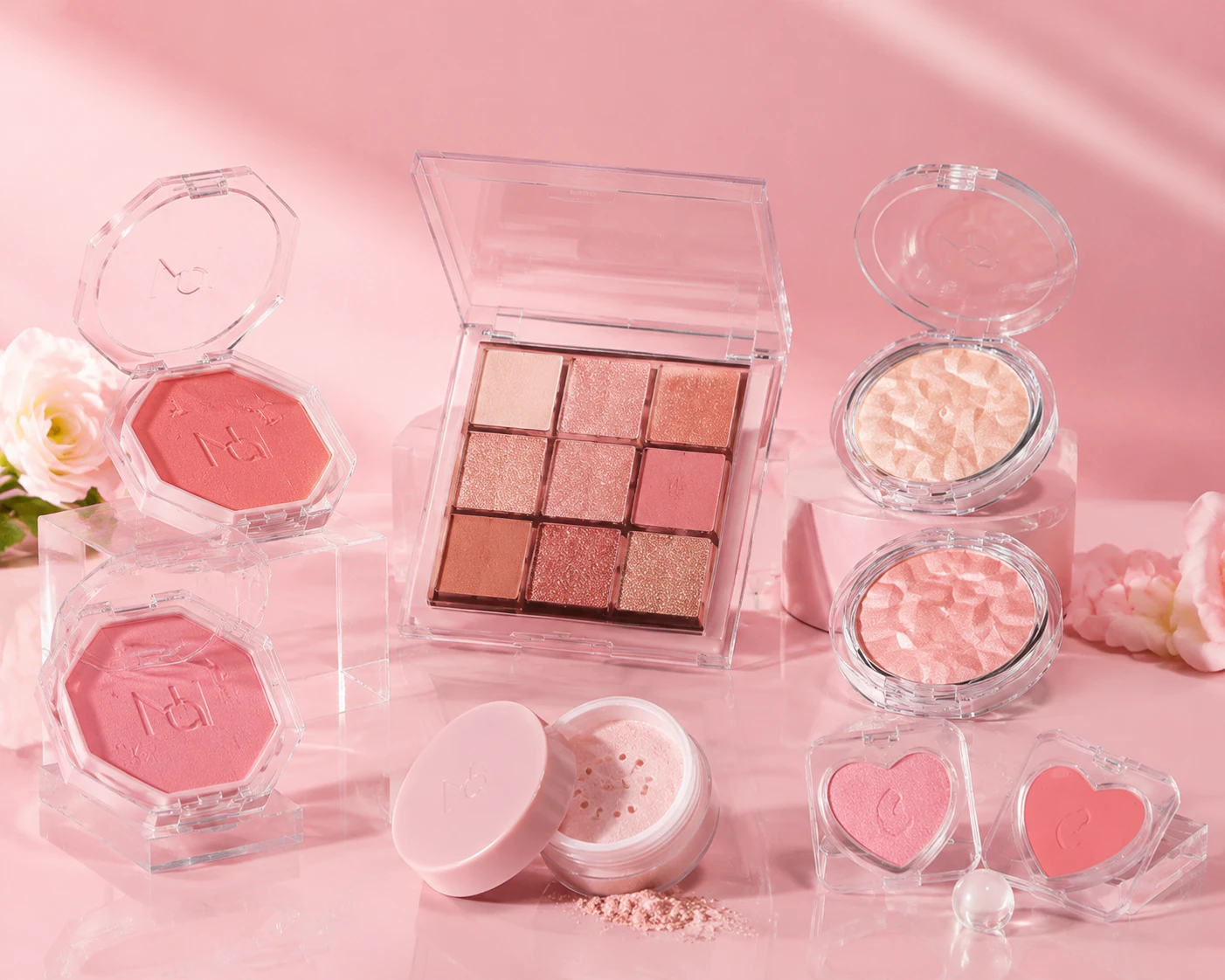
Mocoallure provides private label and OEM/ODM makeup solutions for beauty brands, wholesalers, and distributors.
The company focuses on color cosmetics, including:
- Eyeshadow palettes
- Blush
- Highlighter
- Eyebrow products
- Powder products
- Makeup sets
For businesses looking for Custom Makeup Products, Mocoallure supports product customization, sample development, packaging options, and bulk production.
By working with a manufacturing partner that understands product development requirements, brands can create makeup collections with clearer production planning and better control over quality.
Conclusion
In cosmetic manufacturing, many launch issues can be reduced before production begins. Clear product requirements, approved samples, suitable packaging choices, and realistic order planning help brands avoid unexpected delays during development and bulk production.
Before placing a purchase order, beauty brands should review product specifications, confirm sample performance, understand MOQ requirements, and evaluate whether the supplier can support future repeat orders. For color cosmetics, maintaining consistency between the first production batch and later orders is often a key factor in long-term cooperation.
For brands looking for a reliable Private Label Makeup Manufacturer, Mocoallure provides private label and OEM/ODM makeup solutions for beauty brands, wholesalers, and distributors. The company supports the development of color cosmetics, including eyeshadow palettes, blush, highlighter, powder products, and makeup sets.
Contact Mocoallure with your product category, target market, estimated order quantity, and packaging requirements to discuss your project and receive a customized manufacturing solution and quotation.
FAQ
Q1: How can I evaluate a private label makeup manufacturer before cooperation?
A: Review the supplier’s product range, customization ability, sample process, quality control, MOQ requirements, and production experience before placing an order.
Q2: What information should I prepare before contacting a makeup supplier?
A: Provide your product category, target market, estimated quantity, packaging requirements, and customization ideas so the supplier can recommend suitable solutions.
Q3: How does the sample approval process work for custom makeup products?
A: The process usually includes formula selection, shade confirmation, sample testing, packaging review, adjustments, and final approval before bulk production.
Q4: What factors affect MOQ for private label makeup production?
A: MOQ depends on product category, packaging type, customization level, formula requirements, and production planning. More customized projects may require different order quantities.
Q5: What products can a private label makeup manufacturer produce?
A: Common categories include eyeshadow palettes, blush, highlighter, eyebrow products, powder makeup products, and makeup sets for different beauty markets.

our best Product
Product We’re Offering
call emergency
+86 18767932113

get in touch
How May We Help You!

our testimonials
What They Say About Our

We’ve been wholesaling beauty products from this supplier for 2 years, and the quality has never disappointed!