


News
16
July
OEM Makeup Sample QC: Texture, Shade & Packaging Before Bulk Orders
-
 author

A makeup sample can look ready at first glance. The pan is clean, the color looks close, and the compact feels fine in the hand. Then the real checks begin. A blush shade may turn orange after blending. A shimmer eyeshadow may look rich in a fingertip swatch but dusty with a brush. A highlighter compact may arrive safely as one sample but feel too weak for a full carton shipment.
For B2B buyers, OEM makeup sample QC is the step that separates a nice presentation sample from a bulk-ready product. The purpose is not only to approve appearance. It is to decide whether the product can be repeated in production, packed safely, and sold with fewer quality complaints.
Mocoallure works with custom color cosmetics projects where texture, shade, finish, and packaging details affect buyer confidence. For pressed blush, eyeshadow palettes, highlighter compacts, eyebrow powder, face powder, and makeup sets, the approved sample should become the working standard for bulk orders.

OEM Makeup Sample QC Checklist Before Bulk Orders
What Buyers Look at First
A useful sample review starts with real use, not just a desk check. The product needs to be opened, touched, applied, photographed, placed back into the box, and compared with the requested brief. This gives a clearer picture of whether the sample can move into bulk production.
| QC Area | What to Inspect | Buying Risk if Missed |
| Texture | Pickup, payoff, fallout, blendability | Weak application or messy powder |
| Shade | Pan color, applied color, undertone | Color mismatch in photos or retail |
| Packaging | Closure, pan fit, logo, label | Poor brand impression or damage |
| Stability | Cracking, odor, surface change | Product changes before selling |
| Consistency | Golden sample, shade code, specs | Bulk order differs from sample |
The “golden sample” matters here. Once the final makeup samples are approved, one sealed sample becomes the production reference. This helps both the buyer and the makeup manufacturer compare bulk goods against the same standard.
How to Avoid Sample-to-Bulk Differences
Many disputes happen because the approval details are too vague. “Color approved” may not explain whether the standard is the pan color, finger swatch, brush application, or photo under daylight. “Packaging approved” may not include the final logo printing method or label position.
Before bulk production, the approval record needs formula version, shade code, finish, pan size, fill weight, packaging model, artwork file, label layout, and carton packing method. This may feel like extra paperwork, but it reduces shade drift, packaging mismatch, and repeat-order confusion.
Texture QC for Pressed Powder Makeup Samples

Test Beyond a Finger Swatch
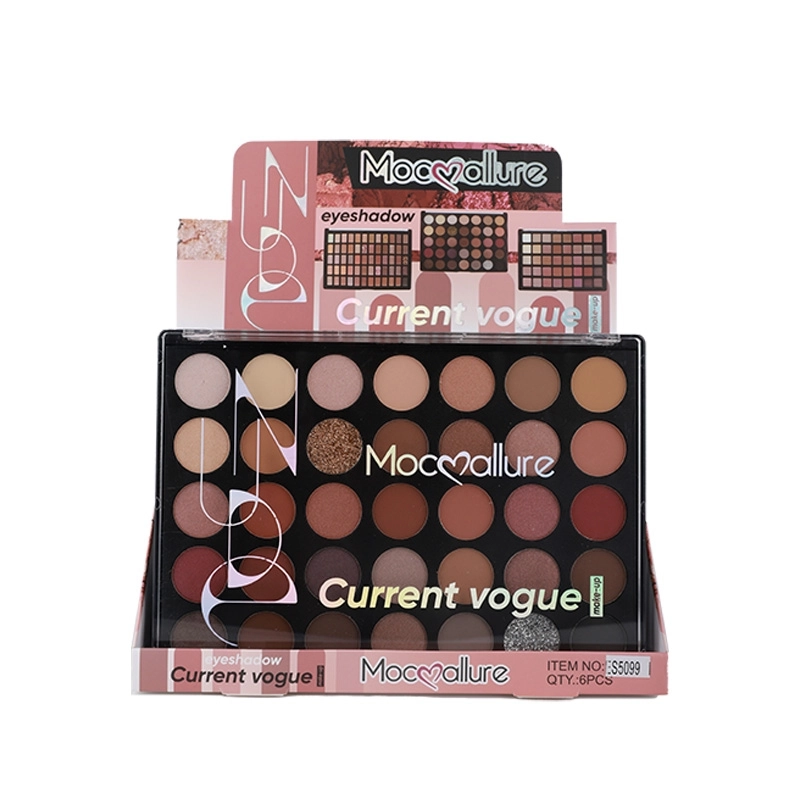
Pressed powder makeup often looks stronger in a fingertip swatch than it does with a brush. That is why brush testing is important for blush, eyeshadow, highlighter, eyebrow powder, and face powder.
Blush needs to blend without leaving a hard patch. Eyeshadow should release color without heavy dust around the pan. Highlighter should give an even glow rather than rough sparkle marks. Eyebrow powder works best when the tone stays natural, not too red, green, or flat.
Useful texture checks include:
- Brush pickup after one tap
- Color payoff after one layer
- Fallout around the pan
- Blendability over base makeup
- Patchiness after blending
- Pan surface after repeated use
- Cracking after light handling
A common sourcing problem is the “too soft” eyeshadow sample. It looks impressive during swatching, but the pan may break or create powder mess during shipping. For export orders, pan strength is not a minor detail. It can affect customer complaints, return rates, and reorder confidence.
Balance Payoff, Pressing, and Shipping Safety
A production-ready sample needs balance. Softer pressing can improve color payoff, but it may increase breakage. Harder pressing may protect the pan, but the product can feel dry or weak.
For B2B buyers, the best sample is not always the most dramatic swatch. It is the one that still performs after packing, shipping, retail display, and repeat production. This is especially important for eyeshadow palettes and highlighter compacts, where multiple pans and finishes must stay consistent.
Shade and Finish Checks Before Bulk Production
Check Color in Real Selling Conditions
Shade approval should not rely on one office light. Color cosmetics are sold through product photos, short videos, live selling, retail counters, and daily use. The same shade may look warmer, cooler, deeper, or duller depending on the setting.
Before approving makeup samples, color testing works better under daylight, warm indoor light, cool indoor light, phone video, and flash photography. For export markets, testing on different skin tones gives better feedback.
For blush, pan color and applied color both matter. For highlighter, the base should not look gray on deeper skin tones. For eyebrow products, undertone control is critical. For eyeshadow, matte, shimmer, pearl, and glitter finishes need separate attention because each finish reflects light differently.
Match the Finish With the Target Market
A shade may look beautiful but still be wrong for the market. Some buyers need bold pigment and stronger color stories. Others need soft daily shades for clean makeup looks. Humid markets may care more about adhesion. E-commerce brands may care more about how the product reads on camera.
This is where sample QC supports purchasing decisions. A buyer sending an RFQ to Mocoallure can improve sample accuracy by including target market, finish preference, shade references, retail price range, packaging style, and expected order quantity. Clear details usually lead to more useful samples and fewer revision rounds.
Packaging QC for OEM Makeup Samples
Packaging Should Feel Retail-Ready
Packaging is part of the finished product. A compact that closes loosely can make a good formula feel cheap. A mirror that shifts, a pan that sits unevenly, or a logo that prints too light can weaken the buyer’s brand image before the product is even used.
For OEM makeup samples, packaging inspection usually covers closure strength, hinge movement, pan alignment, mirror placement, logo clarity, surface scratches, label position, outer box fit, and carton protection.
One small detail is easy to miss: the closing sound of a compact. A clean click gives the product a more finished feel. A weak close can make the same formula feel less reliable.
Approve Formula and Packaging as One Set
Formula and packaging should not be approved in isolation. A highlighter pan may need better support inside the compact. A blush compact may need a stronger closure for shipping. A logo may look sharp in artwork but too light after printing on a coated surface.
For custom packaging projects, the compact, printed logo, label, pan, and formula sample work better as one approval set. That is the product the buyer will sell, photograph, ship, and reorder.
Stability and Batch Consistency Before Mass Production
Check What Changes After a Few Days
Some sample issues appear later. Powder may harden. A pan may loosen. A mirror may show glue marks. A surface may crack after handling. A shade may shift slightly after storage.
For long-distance export orders, simple handling checks can be useful before approval. The sample can be placed back into its box, gently shaken, stored for a few days, and checked again. This is not a lab test, but it can reveal packaging weakness, loose pans, and surface problems before bulk production starts.
Keep Production Details Clear
The final approved sample should match the confirmed formula, shade, finish, pan size, packaging model, logo file, label design, and packing method. These details help a makeup manufacturer reduce sample-to-bulk differences and make repeat orders easier to control.
For Mocoallure private label makeup projects, this step is especially useful when the buyer needs custom shades, branded packaging, and stable reorder quality. A clear approval file can also speed up quotation discussions because the supplier can price the real product, not a rough idea.
Conclusion
OEM makeup sample QC is the last practical checkpoint before a bulk order. Texture, shade, packaging, stability, and batch consistency all need to be considered with production, shipping, retail display, and repeat orders in mind. A sample that only looks good on the desk is not enough. It also needs to work in the supply chain.
For brands, importers, wholesalers, and distributors developing blush, eyeshadow, highlighter, eyebrow powder, face powder, or makeup sets, Mocoallure can support sample review, custom packaging discussion, shade adjustment, and OEM/ODM makeup production planning.
To request a more accurate quotation, send the product type, reference shades, packaging images or design ideas, target market, estimated order quantity, logo requirements, label details, and any special needs for shipping or climate.
FAQ
Q1: How to check OEM makeup samples before bulk production?
A: Start with real application, not only visual approval. Test texture, shade accuracy, packaging fit, logo printing, label details, stability, and keep the approved sample as the production reference.
Q2: Why do makeup samples look different from bulk orders?
A: Differences may come from pigment batches, pressing strength, formula adjustment, packaging changes, or unclear approval notes. A sealed golden sample helps reduce this risk.
Q3: What should be checked in pressed powder makeup samples?
A: Pressed powder makeup samples should be checked for payoff, fallout, blendability, pan strength, cracking, shade accuracy, and performance after handling or shipping simulation.
Q4: What should be included in an OEM makeup RFQ?
A: A strong RFQ should include product type, reference shades, packaging images or design ideas, target market, estimated order quantity, logo requirements, label details, and any special needs for shipping or climate.
Q5: How can buyers reduce sample-to-bulk differences?
A: Buyers can reduce sample-to-bulk differences by confirming the formula version, shade code, finish, packaging model, artwork file, label layout, carton packing method, and sealed golden sample before bulk production.

our best Product
Product We’re Offering
call emergency
+86 18767932113

get in touch
How May We Help You!

our testimonials
What They Say About Our

We’ve been wholesaling beauty products from this supplier for 2 years, and the quality has never disappointed!